
Bright windows can wash out monitors, create reflections on meeting room displays, and make workstations uncomfortable at certain times of day. Glare reduction window film helps businesses manage incoming sunlight without keeping blinds or curtains closed all day.
Simply Cool helps Utah businesses compare glare control film for offices and other commercial properties. We consider the affected windows, existing glass, your preferred appearance, and how much daylight you want to keep.
How Glare Reduction Window Film Works
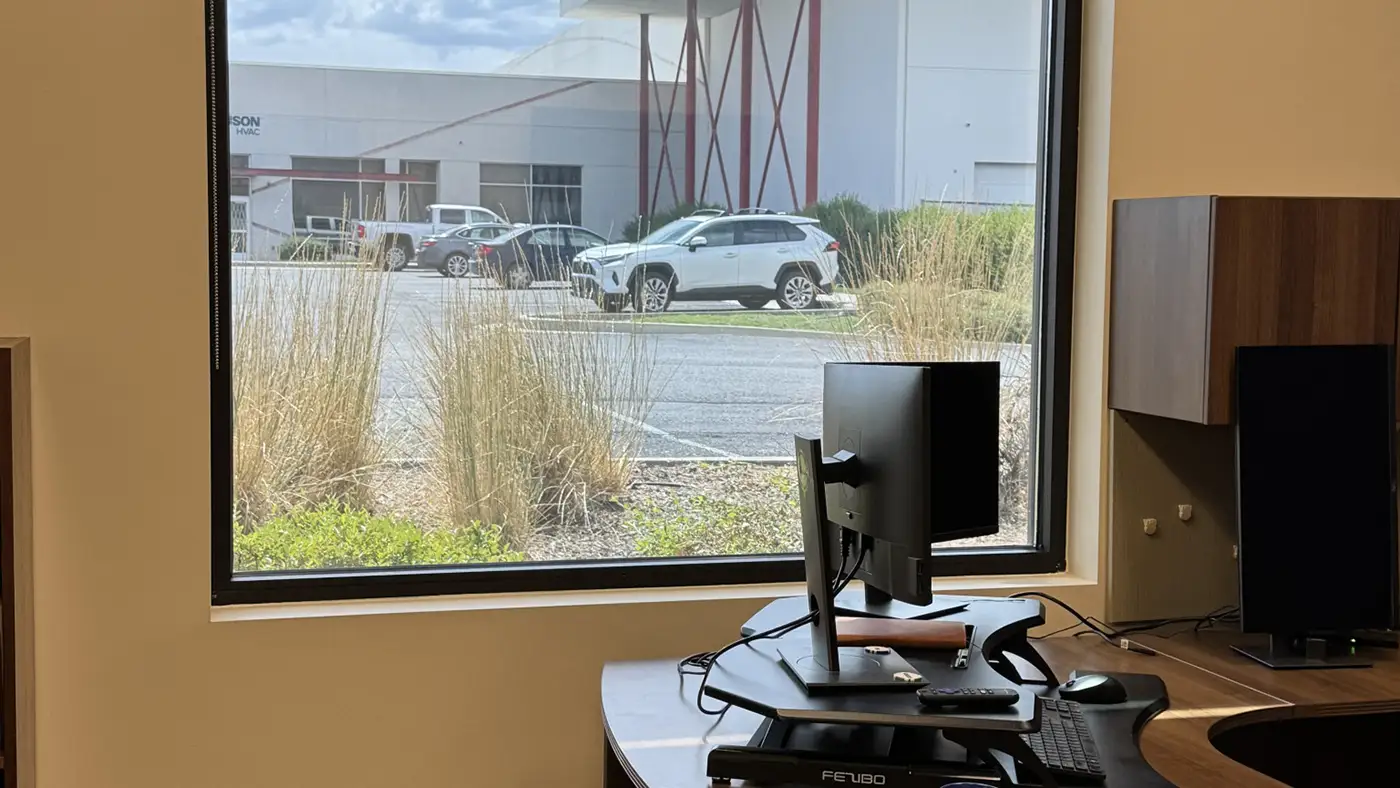
Window film is applied to existing glass to reduce the intensity of visible sunlight passing into a space. With a suitable film, bright window reflections on computer monitors and presentation screens can become less distracting while employees and visitors continue to enjoy daylight.
The result depends on the film, the window, and how sunlight reaches the screen. Direct sun may still call for blinds or a change in screen position at certain times. Simply Cool can help you compare options around the conditions in your building.
Where Glare Control Film Can Help
Office Workstations
Window-side desks can be difficult to use when bright sunlight washes out a monitor. Glare reduction film can soften incoming light and make it easier to work near windows, especially when desks cannot be moved.
Conference Rooms and Shared Screens
Sunlight can make presentations, video calls, and shared displays harder to see. Consider the windows facing the screen and the times your team uses the room when deciding where film may help.
Reception Areas and Customer-Facing Spaces
Bright glass can create uncomfortable reflections across reception monitors, waiting areas, and customer-facing workspaces. Film can help moderate that brightness while preserving an outward view through suitable transparent products.
Explore Commercial Window Tinting for more options for your property.

Which Commercial Windows Should You Address First?
West-facing windows often receive strong afternoon sun, while south-facing glass may bring sustained brightness at different times of year. East-facing windows can create morning glare. Nearby buildings, trees, overhangs, and the position of screens all affect the result.
Before selecting film, consider:
- When glare is most disruptive to employees or customers.
- Which windows send direct light or reflections toward workstations and displays.
- How much natural light the workspace needs.
- How film may look from inside and outside the building.
- Whether building policies or existing glass warranties affect your choices.
Balance Glare Control With Daylight and Views
A lighter film generally lets more visible light through but may provide less glare reduction. A darker film usually reduces more visible light and can make the space dimmer. Films also differ in color and reflectivity, so compare samples before deciding.
Visible light transmission, or VLT, describes how much visible light passes through the filmed glass. The best choice depends on the glare you are trying to reduce and the appearance you want for your building. Ask to review the film’s appearance in daytime and nighttime lighting.

UV Protection and Heat Reduction
Many glare control films also reduce UV transmission. This can help address one cause of fading in furnishings and interior finishes, though visible light and heat also contribute. Confirm the level of UV protection for the selected product.
Some films also reduce solar heat entering through the glass. If heat control is your main concern, explore Energy Saving Window Film. Ceramic Window Tint offers another film technology to compare, with performance and appearance depending on the product.
Our Film Selection and Installation Process
Discuss the glare
Tell us which workstations or displays are affected and when the problem occurs.
Review your windows
We consider the existing glass, sun exposure, building requirements, desired daylight, and film compatibility.
Compare and install
Once you select a suitable product, the glass is prepared and the film is applied.
Plan for care
Ask about the selected product’s curing time, cleaning instructions, and warranty.
Frequently Asked Questions
Does window film reduce glare without making an office dark?
It can reduce glare while preserving useful daylight. Glare-reducing film reduces some visible light, so the right shade depends on how bright the office is and how much glare control you need.
Can window film reduce glare on computer monitors and presentation screens?
Yes. Reducing incoming brightness can make window reflections less distracting. Screen position, window orientation, and direct sunlight still affect the result.
Which commercial windows benefit most from glare reduction film?
Start with windows that direct bright sunlight toward occupied workstations or meeting room displays. West-facing glass is a common afternoon concern, although any orientation can create glare.
Does glare reduction film also block UV rays?
Many products reduce UV transmission. Confirm the level of protection in the selected product’s specifications, since film darkness alone does not establish UV performance.
Can glare reduction film be used in commercial offices?
Yes, when the selected architectural film is compatible with the existing glass. It can help address bright workstations, conference rooms, and other sun-exposed areas.
Ready to Reduce Glare in Your Workplace?
Call: (801) 901-0255Tell Simply Cool which areas are affected, when glare occurs, and how you want the glass to look. We’ll help you compare suitable options for your commercial property.
Contact Us for Commercial Window Tinting