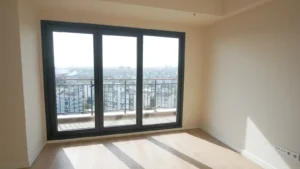

Have you noticed more sunlight hitting your television or computer screen lately? Maybe your living room feels unusually bright in the afternoon, or you’re closing the blinds more often just to work comfortably.
You’re not imagining it. Window glare can become more noticeable during fall and winter because the sun sits lower in the sky. That change can send direct sunlight farther into your home, reaching places that stayed relatively shaded during summer.
For Utah homeowners, winter sun glare through windows can be especially frustrating in living rooms, home offices, and other spaces with large windows.
Fortunately, you don’t have to spend the colder months with your blinds closed. Understanding why seasonal glare happens can help you find a solution that keeps your rooms comfortable without sacrificing natural light.
Why Does Window Glare Get Worse in Fall and Winter?
As Earth moves through the seasons, the sun’s apparent path across the sky changes.
During summer, the sun reaches a higher position overhead. Depending on your home’s orientation, roof overhangs and other architectural features may help shade windows from direct sunlight.
In fall and winter, the sun follows a lower path across the sky.
This lower angle allows sunlight to enter certain windows more directly and penetrate farther into a room.
That means sunlight that once hit your floor near a window might now reach your couch, desk, or television.
The result can be uncomfortable brightness, screen reflections, and the need to adjust blinds throughout the day.
Why Low-Angle Sunlight Creates More Noticeable Glare
Glare occurs when bright light interferes with comfortable visibility.
During colder months, lower-angle sunlight can enter closer to eye level, making it harder to ignore.
You might notice:
- Bright patches of sunlight reaching farther across the room
- Reflections on television and computer screens
- Difficulty seeing a monitor during certain hours
- Sunlight shining directly into seating areas
- The need to close curtains in rooms that previously felt comfortable
Snow-covered ground can make the situation more noticeable by reflecting additional sunlight toward windows.
Although shorter days mean fewer hours of daylight, the sunlight entering your home during certain times of day can feel more intrusive.
Which Windows Experience the Most Winter Sun Glare?
The amount of glare you experience depends on your home’s orientation, nearby buildings, trees, and the position of your windows.
However, certain exposures deserve particular attention.
South-Facing Windows
In Utah, south-facing windows can receive substantial direct sunlight during winter.
Because the sun remains relatively low in the southern sky, its light may penetrate farther into living spaces than it does during summer.
This can make south-facing living rooms, dining areas, and home offices especially bright around midday.
While winter sunlight can provide welcome natural warmth, excessive brightness can become uncomfortable when it interferes with everyday activities.
West-Facing Windows
West-facing windows can create noticeable afternoon glare, particularly when the sun approaches the horizon.
Sunlight may enter at an angle that shines directly across living rooms or reflects off televisions and computer monitors.
If you work from home or spend time relaxing in the afternoon, this can make west-facing rooms challenging to use comfortably.
East-Facing Windows
East-facing windows can create similar problems during the morning.
Low-angle sunlight may shine directly into breakfast areas, bedrooms, and home offices.
If your desk faces an east-facing window, you may find yourself adjusting your monitor or closing the blinds shortly after starting work.
The most problematic windows aren’t necessarily the largest ones. They’re the windows that allow bright sunlight to reach the places where you spend the most time.
How to Reduce Window Glare in Winter
Before making permanent changes, identify which windows cause problems and when the glare is most noticeable.
A few practical adjustments may be enough to improve certain rooms.
1. Adjust Your Blinds or Curtains
Blinds and curtains provide an immediate way to control incoming sunlight.
Adjustable blinds can redirect light away from a television or workspace, while curtains can reduce direct brightness during the most uncomfortable hours.
The drawback is that controlling glare often means blocking part of your outdoor view and reducing the natural light entering the room.
For occasional glare, this may be an acceptable trade-off.
If you’re closing your blinds every afternoon, however, another solution may be worth considering.
2. Change the Position of Screens and Furniture
Sometimes a small adjustment to your room’s layout can make a noticeable difference.
Try positioning your computer monitor perpendicular to the window rather than directly facing it or placing the window behind you.
You can also adjust the angle of your television or move a seating area away from direct sunlight.
Matte monitor screens or appropriate anti-glare accessories may help reduce distracting reflections.
These solutions are especially useful when the glare affects one particular activity rather than the entire room.
3. Consider Glare-Reduction Window Film
If the same windows cause problems throughout fall and winter, window film may offer a longer-term solution.
Glare-reduction window film helps reduce the intensity of visible sunlight entering through glass.
Unlike closing heavy curtains, appropriately selected film can reduce uncomfortable brightness while still allowing you to see outside.
Different films provide different levels of visible light transmission, so the amount of glare reduction depends on the product selected.
For example, a film that allows more visible light through may preserve a brighter interior, while a film with lower visible light transmission may provide greater glare reduction.
The goal is to find a comfortable balance between brightness, visibility, and the room’s daily use.
Simply Cool offers residential window tinting solutions for Utah homeowners who want more control over sunlight without replacing their existing windows.
Can Window Film Reduce Glare Without Making a Room Too Dark?
Yes, although the results depend on the film.
One of the biggest concerns homeowners have about window tinting is whether it will make their living space feel darker.
Fortunately, residential window films are available in a range of shades and performance levels.
A lighter film may be appropriate for someone who wants to preserve as much natural light as possible while reducing moderate glare.
For a room with intense direct sunlight, a film that transmits less visible light may offer greater relief.
When comparing products, pay attention to visible light transmission (VLT), which describes how much visible light passes through the glass and film.
Higher VLT generally means more visible light enters the room. Lower VLT generally means less visible light enters, which can help reduce glare.
It’s important to understand that even a high-quality film cannot eliminate every reflection or guarantee that sunlight will never interfere with a screen.
However, choosing the right film can make a room more comfortable without requiring you to keep the blinds closed throughout the day.
Is Ceramic Window Film a Good Option for Winter Glare?
Ceramic window film may be worth considering, particularly if you want to address glare and solar heat together.
Ceramic films use specialized particles to help manage solar energy passing through glass.
Depending on the product, they can provide substantial infrared heat rejection while maintaining relatively high visible light transmission.
This makes certain ceramic films appealing for homeowners who want sun control without a heavily tinted appearance.
However, there’s an important distinction.
A film’s ability to reject infrared heat does not necessarily tell you how much visible-light glare it will reduce.
Some ceramic films are designed to remain very light, allowing considerable visible light to pass through. Those products may offer strong heat rejection without providing the same glare reduction as a darker film.
If winter glare is your primary concern, compare visible light transmission and glare-reduction performance rather than choosing a film based only on whether it’s ceramic.
A professional window film specialist can help you evaluate the right combination of visibility, glare control, and solar performance for your windows.
What About UV Protection and Winter Energy Efficiency?
Glare reduction is often the immediate reason homeowners consider window film, but some products provide additional benefits.
UV Protection for Furniture and Flooring
Ultraviolet radiation can contribute to fading and damage to furniture, flooring, artwork, and other interior materials.
Many high-performance window films block a substantial percentage of UV radiation, helping reduce one contributor to fading.
This protection remains useful throughout the year, including during winter.
However, UV rejection and glare reduction measure different things. A nearly clear film may block significant UV radiation without noticeably reducing visible sunlight glare.
Heat Control and Energy Performance
Window film can also help manage solar heat entering a room.
This can be useful for south- and west-facing spaces that become uncomfortably warm from direct sunlight, even when outdoor temperatures are cool.
But reducing solar heat isn’t always desirable in winter.
Some homes benefit from sunlight warming their interiors during colder months. A film designed primarily to reject solar heat could reduce some of that beneficial winter warmth.
Certain low-emissivity window films are designed to reduce heat transfer through glass, but their performance differs from standard solar-control films.
For homeowners interested in both seasonal comfort and energy performance, Simply Cool’s energy-saving window film options are worth exploring.
The right choice depends on the type of windows you have, their orientation, and whether glare, heat rejection, or insulation is your main priority.
Winter Glare Can Also Be a Problem in Offices
Seasonal glare isn’t limited to residential spaces.
Offices with large windows may experience uncomfortable brightness on computer monitors, conference room screens, and other work surfaces.
Employees may find themselves moving between desks, closing blinds, or adjusting screens as sunlight changes throughout the day.
Window film can help reduce incoming brightness while maintaining a more open, naturally lit workspace.
For businesses that want to improve visibility and comfort without constantly adjusting window coverings, Simply Cool offers commercial window tinting for offices and other commercial properties throughout Utah.
The appropriate film depends on the building’s glass, window orientation, and the needs of the people working inside.
Frequently Asked Questions About Winter Window Glare
Why is sunlight glare worse in winter?
The sun follows a lower path across the sky during winter. This allows direct sunlight to enter certain windows at a lower angle and reach farther into rooms. The result can be more noticeable brightness and reflections, particularly on screens and in seating areas.
Can window film reduce glare without blocking the view?
Yes. Many residential window films are designed to reduce visible sunlight while preserving an outdoor view. However, film selection matters. Products with lower visible light transmission generally reduce more brightness but can also make the room darker.
Does ceramic window film help with glare?
Some ceramic window films can help reduce glare, but performance depends on the film’s visible light transmission rather than its ceramic construction alone. A very light ceramic film may provide strong heat rejection while allowing significant visible sunlight through.
Which windows tend to have the most glare?
South-facing windows may receive more direct winter sunlight around midday, while west-facing windows can experience strong afternoon glare. East-facing windows can also produce uncomfortable morning brightness. The home’s layout and surrounding environment affect the actual exposure.
Can glare-reduction film be used in offices?
Yes. Glare-reduction film can be installed on many compatible commercial windows. It may help reduce screen reflections and uncomfortable brightness while allowing natural light to enter. A professional should confirm film compatibility with the building’s glass before installation.
Enjoy Natural Light Without the Uncomfortable Glare
Fall and winter don’t have to mean closing the blinds every time the sun comes through your windows.
Understanding how seasonal sun angles affect your home is the first step toward finding a solution. Adjusting furniture, repositioning screens, and using blinds strategically may help with occasional glare.
When bright sunlight becomes an everyday frustration, professionally installed window film can provide additional control without completely blocking your view.
At Simply Cool, we help Utah homeowners and businesses choose window film solutions based on their specific needs, whether that’s glare reduction, UV protection, privacy, or solar heat control.
Tired of battling glare in your living room or home office? Contact Simply Cool or call (801) 901-0255 to discuss your windows and find a film that balances comfort, visibility, and natural light.